
Privacy & Security
Independent, in-depth privacy & security from the vpnrank.io editorial team — tested guides that lead with the content, not a sales pitch.

Privacy & Security
Are Free VPNs Safe? What "Free" Actually Costs You
Most free VPNs aren't free at all — you pay with your browsing data, your bandwidth, or your security. We break down what the research actually found, the handful of free tiers that are genuinely safe, and how to spot the dangerous ones.
Lucía Fernández · Jun 30, 2026
Privacy & Security
Is It Legal to Use a VPN? A Country-by-Country Guide for 2026
Using a VPN is legal almost everywhere — including the US, UK, EU, Canada and Australia. A handful of countries restrict, license or ban it, and the distinction that matters is between the tool and the activity. Here's the exhaustive, up-to-date, country-by-country breakdown for 2026.
Sofía Giménez · Sep 12, 2026

Privacy & Security
WireGuard vs OpenVPN vs IKEv2: Every VPN Protocol Explained in Plain English
WireGuard, OpenVPN, IKEv2, NordLynx, Lightway — the protocol setting in your VPN app decides your speed, battery life and whether firewalls can block you. This plain-English guide explains how each one works and exactly which to pick for every situation.
Diego Pereyra · Jul 2, 2026

Privacy & Security
Does a VPN Make You Anonymous? Myths vs. Reality
"Anonymous" is the word VPN marketing leans on hardest, and it's the one that holds up worst under scrutiny. Here's the honest map of what a VPN conceals, what it quietly leaks, and the handful of habits that do more for your privacy than the tunnel itself.
Diego Pereyra · Jul 3, 2026

Privacy & Security
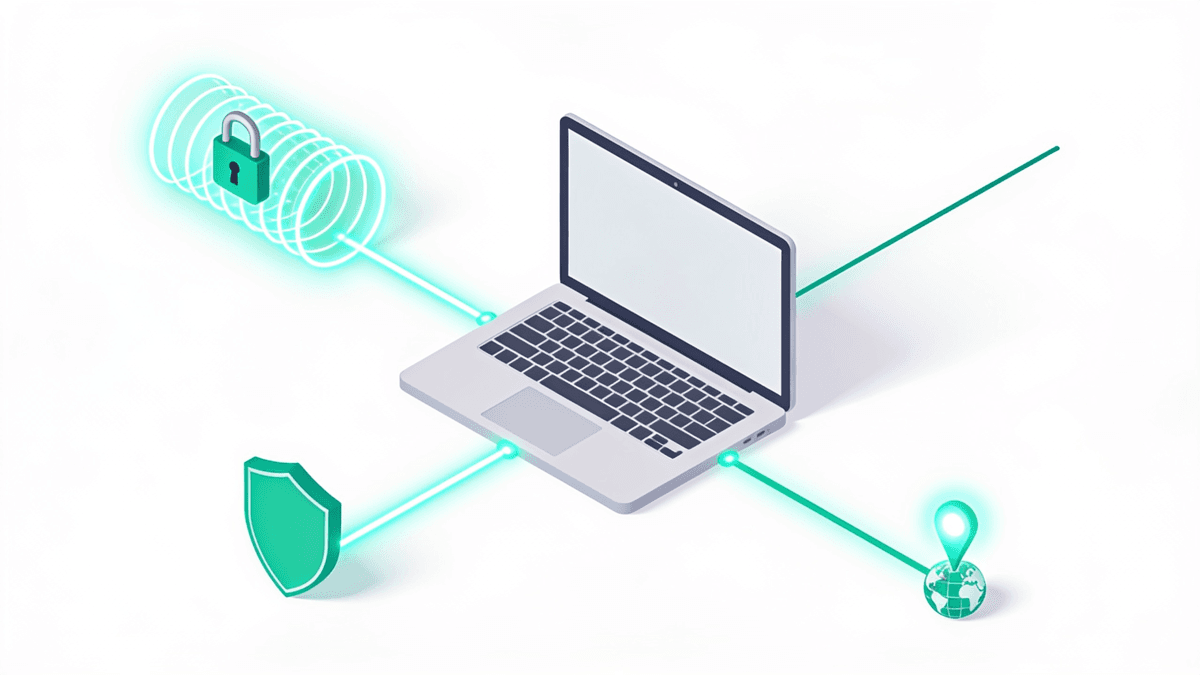
Is Public Wi-Fi Actually Dangerous? The Real Risks, Explained
Public Wi-Fi isn't the open door it was a decade ago, but it isn't harmless either. Here's a clear-eyed look at evil twin hotspots, packet sniffing, and SSL stripping — what encryption already handles, what it doesn't, and the habits that actually reduce your risk.
Martín Rossi · Jul 3, 2026
Privacy & Security
VPN vs Proxy vs Smart DNS: What Each Actually Does (And When to Use It)
VPNs, proxies and Smart DNS get lumped together, but they solve different problems. One encrypts all your traffic, one masks the IP of a single app, and one only reroutes the region check that streaming services run. Knowing which does what saves you money and false confidence.
Diego Pereyra · Jul 4, 2026
Privacy & Security
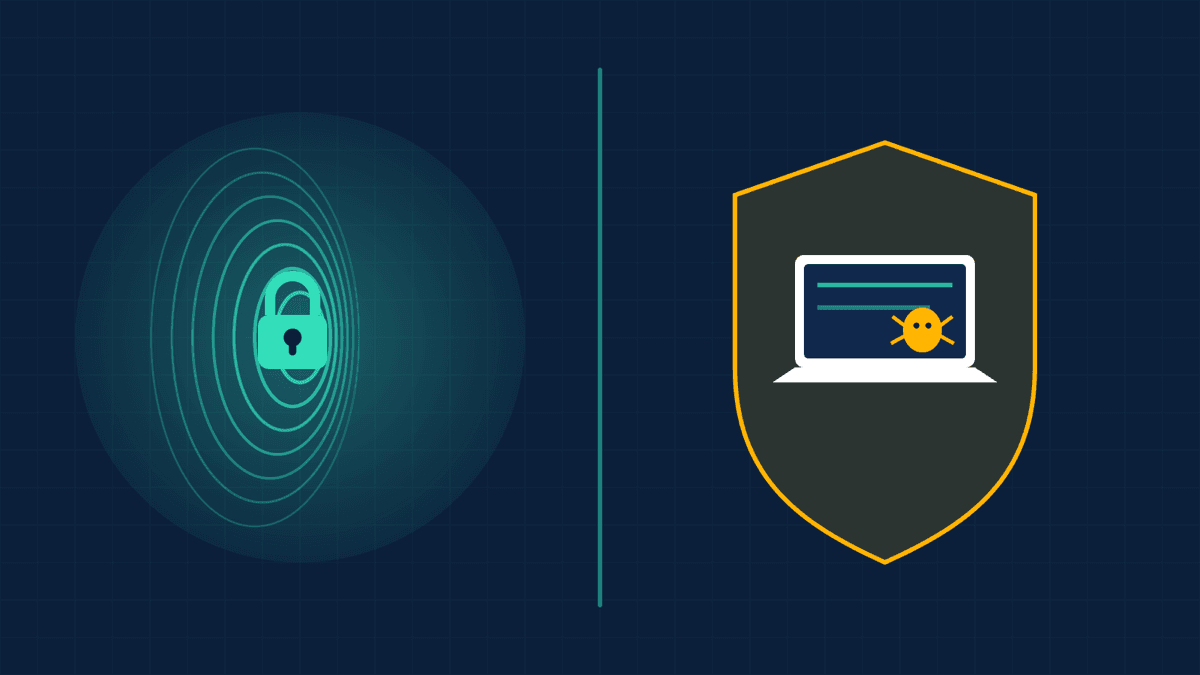
VPN vs Antivirus: What Each Actually Protects, and Why You Probably Need Both
A VPN and antivirus get lumped together as "security tools," but they defend completely different layers. Here is what each one actually stops, what neither can do, and how to decide whether you need one, the other, or both.
Diego Pereyra · Jul 5, 2026
Privacy & Security
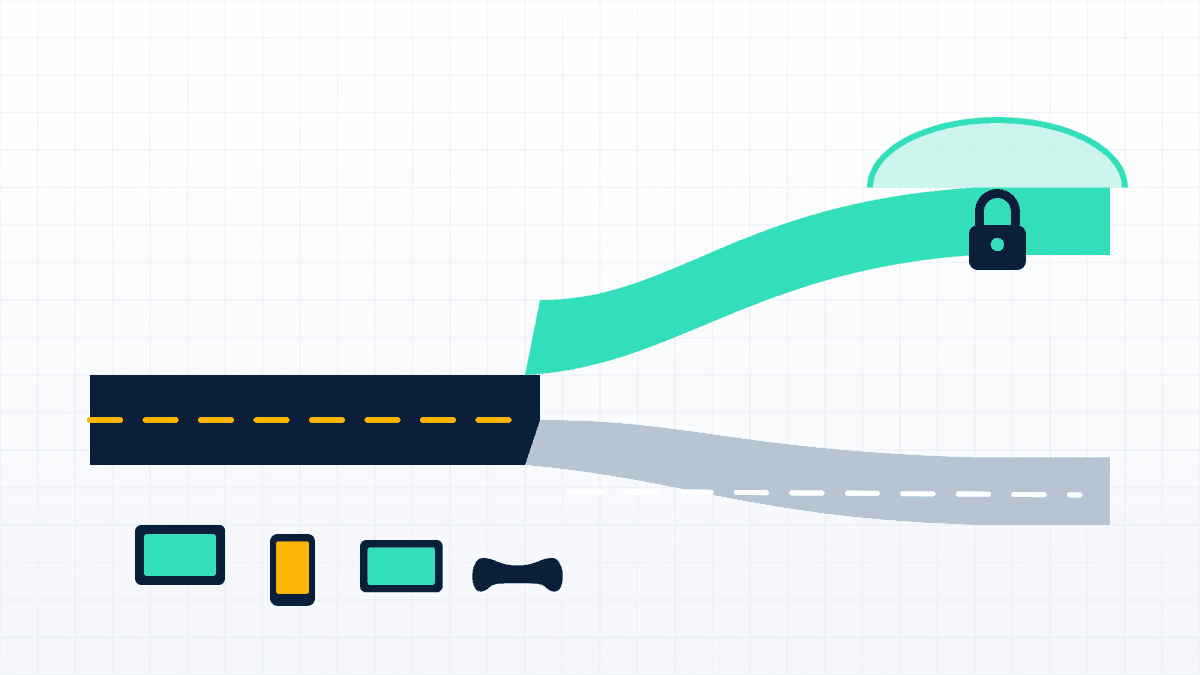
VPN Split Tunneling, Explained: Route Some Traffic, Keep the Rest Local
Split tunneling lets you send some apps through the VPN while others connect directly. Here is how it works, when it genuinely helps, and the operating-system caveats nobody warns you about.
Diego Pereyra · Jul 5, 2026

Privacy & Security
Double VPN Explained: When Two Servers Actually Help, and When It's Just Theatre
Double VPN chains your connection through two servers instead of one, adding a second layer of encryption and a jurisdictional gap. It genuinely raises the bar against a single compromised server and casual network correlation, but it does nothing against a global adversary and costs you real speed. Here's how to tell the difference.
Diego Pereyra · Jul 6, 2026
Privacy & Security
What Is a VPN Kill Switch? How It Works and Why It Actually Matters
A kill switch is the safety net that blocks your traffic the instant a VPN tunnel drops. Here is how it works, the difference between app-level and system-level, and a five-minute test to prove yours is real.
Diego Pereyra · Sep 28, 2026

Privacy & Security
VPN Encryption Explained in Plain English: AES-256, ChaCha20, and What "Military-Grade" Really Means
VPN apps throw around words like AES-256, military-grade, and perfect forward secrecy as if everyone already knows what they mean. Here's what each one actually does, in language a normal human can follow.
Diego Pereyra · Jul 7, 2026

Privacy & Security
Obfuscated VPN Servers Explained: How Stealth Beats Deep Packet Inspection
Obfuscated VPN servers disguise your tunnel as ordinary HTTPS so it slips past deep packet inspection on networks that block VPNs. Here is how the stealth works, when you actually need it, and what it costs in speed.
Diego Pereyra · Jul 8, 2026

Privacy & Security
How to Hide Your IP Address: Every Method, Honestly Compared
Your IP address quietly tells every site you visit which country you're in, who your provider is, and links your visits together. Here are the five real ways to hide it, what each one genuinely protects, and how to check it worked.
Diego Pereyra · Jul 9, 2026

Privacy & Security
What Is a No-Logs VPN? How to Tell a Real Claim From Marketing
"No-logs" is on nearly every VPN homepage, but the phrase means very different things depending on who's saying it. Here's what a genuine no-logs policy covers, how to verify it with audits and court records, and the warning signs that a claim is just marketing.
Diego Pereyra · Jul 9, 2026

Privacy & Security
WireGuard Explained: The Lean, Fast VPN Protocol
WireGuard's ~4,000-line codebase, Noise-based handshake, and ChaCha20 encryption make it roughly twice as fast as OpenVPN. Here's how the protocol works, the static-IP privacy trade-off, and when to choose it.
Diego Pereyra · Jul 11, 2026
Privacy & Security
What Is a VPN and How Does It Actually Work? A Plain-English Guide
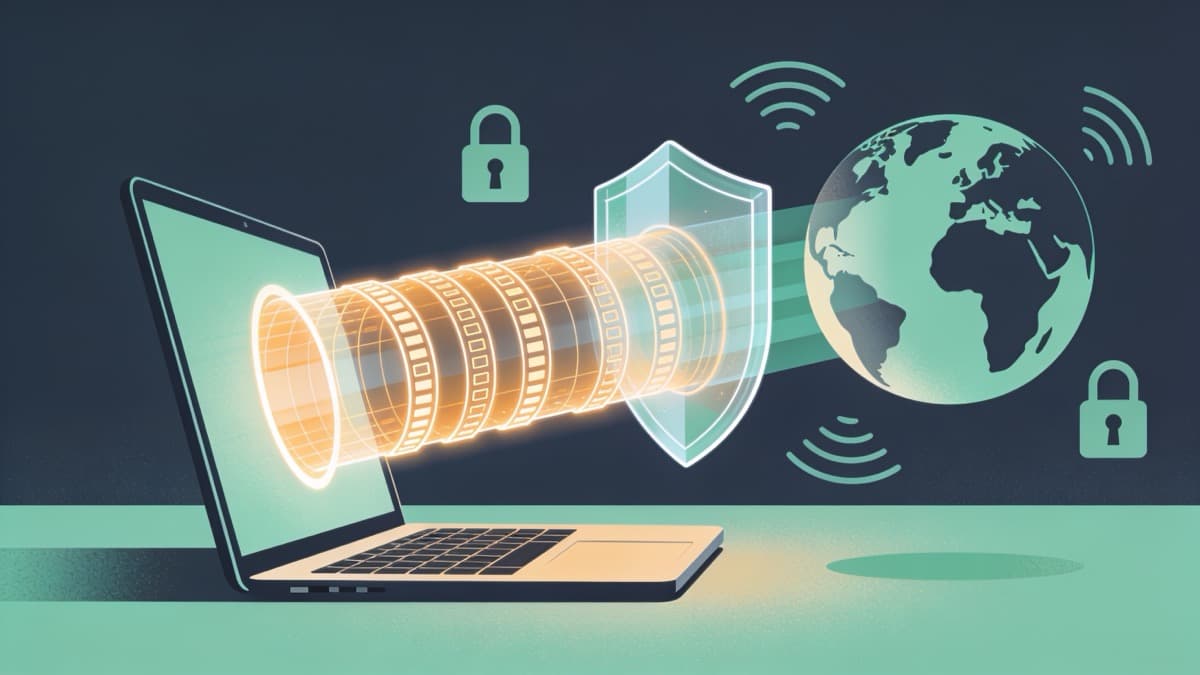
A VPN routes your internet traffic through an encrypted tunnel to a remote server, hiding your IP address from the sites you visit and your activity from your ISP. Here is exactly how that works, what it does and does not protect, and how to pick one.
Martín Rossi · Jul 12, 2026
Privacy & Security
Do You Need a VPN at Home? The Honest Threat Model
You do not need a VPN to be safe at home in the way ads imply, but there are a handful of genuine, specific reasons to run one. Here is the honest threat model on your own network: what your ISP logs, what HTTPS already hides, and where a VPN actually earns its place.
Diego Pereyra · Jul 12, 2026
Privacy & Security
VPN vs Tor: How Each Works and When to Use Which
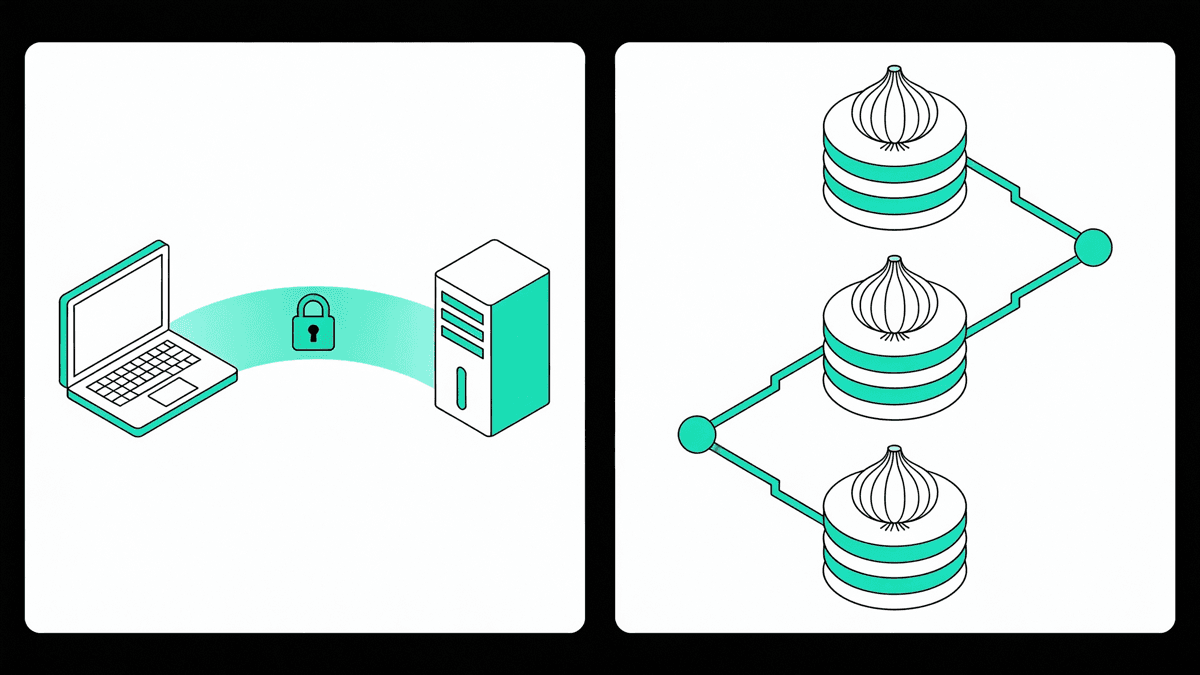
VPNs and Tor both hide your IP, but they solve different problems. Here is how each actually works, where the real speed and anonymity trade-offs lie, and how to choose.
Diego Pereyra · Jul 15, 2026
Privacy & Security
Do You Need a VPN on Your Phone? What It Actually Fixes on iOS and Android
Your phone leaks data through public Wi-Fi, app tracking, and carrier logs — but a VPN only closes some of those doors. Here's an honest, source-backed look at what a mobile VPN fixes on iOS and Android, what it can't touch, and when leaving it on is actually worth it.
Diego Pereyra · Jul 16, 2026

Privacy & Security
VPN vs Incognito Mode: What Each One Actually Hides (and From Whom)
Incognito mode wipes your local history and cookies, but your ISP, employer and every website still see your IP and the sites you open. Here is the precise split between private browsing and a VPN, the anonymity myth debunked, and when each tool is the right call.
Lucía Fernández · Jul 24, 2026
Privacy & Security
Is It Safe to Use a VPN for Online Banking? The Honest Answer
A VPN protects a banking session on public Wi-Fi and adds little at home, and some banks block VPN addresses. Official guidance, bank policies, split tunnelling by platform, and what to do when the app won't work.
Martín Rossi · Oct 2, 2026