How Regional Pricing Works — And Why Cheaper YouTube Premium and Spotify Are Harder Than They Look in 2026
The economics behind why the same app costs $13 in New York and under $2 in Lagos — plus an honest look at what actually works, what gets cancelled, and where the real risk lives.

vpnrank.io is reader-supported: we may earn a commission if you buy through links in this article. This never affects our rankings.
Regional pricing is why the same YouTube Premium or Spotify plan can cost under $2 a month in Lagos and roughly $13 in New York. Companies deliberately set prices country by country, and a VPN can reveal those cheaper storefronts. But in 2026, seeing the low price and actually paying it are two very different things.
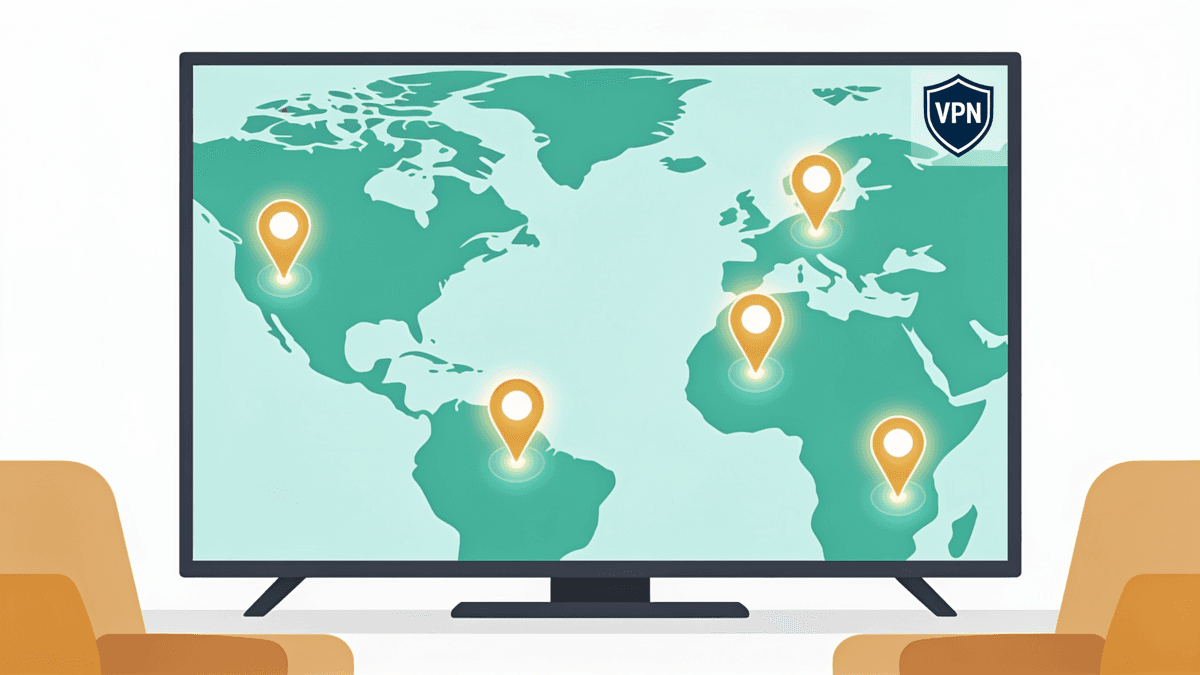
Why the same app costs 85% less in one country
The gap is not a glitch or a loophole someone forgot to close. It is a deliberate strategy called purchasing-power-parity (PPP) pricing, where a company charges what a local market can realistically afford rather than a single global rate. A subscription priced for a US salary would be unsellable at that level in India or Nigeria, so platforms lower it to win users.
Streaming and music services care most about total subscriber growth and long-term retention, not the margin on any single account. In emerging markets, a low monthly fee that millions of people can pay beats a premium fee that almost nobody signs up for. The result is a global patchwork where identical features carry radically different price tags.
- Local income levels: prices track average purchasing power, so lower-income markets get steep discounts, often 70–85% off Western rates.
- Competition: where local music and video rivals are strong, platforms cut prices to compete for attention.
- Currency and inflation: fast-moving currencies like the Argentine peso or Turkish lira can leave prices looking cheap in dollar terms for months at a time.
- Card and tax infrastructure: markets with different tax rules and payment norms get bespoke pricing rather than a converted US figure.
None of this is secret. It is the same logic behind cheaper cinema tickets or software licences in different regions. What has changed is how aggressively the biggest platforms now police who is allowed to pay the local price.
Which countries are actually cheapest in 2026
Two categories dominate the bottom of every price index: South American markets with volatile currencies, and lower-income markets in Asia and Africa. The figures below reflect mid-2026 sources and shift constantly with exchange rates, so treat them as a snapshot rather than a fixed menu, and always confirm the live number before assuming anything.
YouTube Premium
- Argentina: often among the single cheapest storefronts, around ARS 899/month, which has translated to roughly $0.90–$1.60 depending on the exchange rate.
- India: the basic individual plan has sat near $0.90–$1.60/month, long a favourite for its low price.
- Nigeria: as of mid-2026 frequently the cheapest anywhere, listed close to $0.86/month.
- Turkey: about 79.99 TL/month, historically translating to somewhere near $1.10–$1.70.
Spotify Premium
- Nigeria: frequently the absolute cheapest, near $1.04–$1.18/month for an Individual plan — roughly 90% below the US price.
- India: around ₹119–₹149/month, which has worked out to roughly $1.40–$2.00 depending on the exchange rate and plan.
- Turkey and Egypt: consistently in the cheapest tier alongside Nigeria, typically in the $1–$4/month range.
For comparison, Spotify raised US Premium to $12.99/month in early 2026, up from $11.99. That is where the 70–85% gap comes from — and why the idea of paying Nigerian or Indian prices from a Western country is so appealing. It is also exactly the behaviour the platforms have spent 2026 trying to shut down. If you want to track live figures across services rather than trust a single blog snapshot, our VPN price index keeps prices current.
Where a VPN actually fits in (and where it doesn't)
A VPN routes your connection through a server in another country, so websites and apps see you as browsing from that location. That is genuinely useful for privacy and for legitimate access to content you already pay for while abroad. For subscription pricing, though, its role is narrower than most guides admit.
Changing your apparent location can reveal a cheaper storefront and its listed price. What a VPN cannot do is create a local payment method, a local billing address, or a local tax profile — and in 2026 those are the checks that actually decide whether you get the cheap rate. The VPN gets you to the shop window; it does not put a local wallet in your pocket.
- What it can do: show you regional prices, let you keep using a service you already subscribe to while travelling, and protect your traffic. If your main goal is secure streaming abroad, see our best VPNs for streaming.
- What it can't do: fabricate a domestic card, guarantee checkout succeeds, or shield you if a platform's terms forbid location-spoofing to buy a plan.
- What it's genuinely good at: privacy and leak-free connections. Before trusting any VPN, it's worth running a speed test and checking for a DNS leak so your real location isn't exposed anyway.
So the honest framing is this: a VPN is a tool for privacy and access first, and a price-shopping aid a distant second. Anyone selling it purely as a subscription-discount machine is skipping the part where the payment wall stops you.
The step-by-step, and where it usually breaks
If you want to understand the full flow — including the exact point most people hit a wall — here is how buying a regionally priced subscription is supposed to work. Read it as a diagnostic of the obstacles rather than a green light, because each numbered step below has become harder over the past year.
- 1Connect to a VPN server in the target country before opening the service.
- 2Create a fresh account (an existing account already tied to your home country is far more likely to be flagged).
- 3Open the subscription page and confirm the local price appears in local currency.
- 4Reach the payment screen — this is where most attempts fail.
- 5Complete checkout, which typically requires a payment method issued in that country.
Steps four and five are the wall. Both YouTube and Spotify increasingly require a local payment method, and suspicious VPN traffic can block the payment page from loading at all. That means a foreign card, PayPal linked to a foreign address, or an app-store account set to your home region will usually be rejected, no matter how convincing the VPN location looks.
The payment catch nobody mentions upfront
This is the single most important thing to understand, and it is why most "pay $1 for Spotify" tutorials quietly fail in practice. The listed regional price is real, but access to it is gated behind local payment infrastructure that a VPN cannot supply. Seeing the price and being allowed to pay it are separate problems.
In 2026, several markets that used to work — India and Nigeria among them — reportedly stopped working in tests precisely because a locally issued payment method is now required. Some people route around this with prepaid gift cards or third-party services, but that adds cost, friction, and its own risks. By the time you buy a regional gift card at a markup, the savings can shrink to almost nothing.
If your real goal is a fast, private connection that reliably works for streaming and travel — not a fragile pricing hack — a proven premium VPN is the safer buy.
See our top-ranked VPNs →Terms of service, cancellations and the honest truth about bans
Here is where the two services diverge sharply, and where a lot of online advice blurs an important distinction: getting a subscription cancelled is not the same as getting your whole account banned. Understanding which platform does which matters more than any list of cheap countries.
YouTube Premium: the strict one
YouTube updated its terms so that Premium must be accessed mainly from the country where the account was registered, and in 2026 it began terminating memberships bought via VPN — telling affected users they did not specify their true country of residence and inviting them to re-register with their real country. In most reported cases the Premium subscription is cancelled at the end of the billing cycle rather than the whole Google account banned, but a flagged account can still be at risk, and family-plan checks now demand proof members share an address.
Spotify: the relaxed one
Spotify has publicly clarified it will not ban accounts for using a VPN. Its user agreement does discourage using technology to bypass geographic restrictions, but enforcement is aimed at large-scale abuse rather than individuals. Note the practical travel rule: free accounts can only be used abroad for 14 days before you must update your country, while Premium subscribers can roam far longer without changing region settings.
The pattern across both is clear. Using a VPN for privacy and legitimate access is fine and, on Spotify, explicitly tolerated. Using one specifically to buy a plan at another country's price sits against the terms, and YouTube in particular now enforces that. If broader VPN privacy is what you actually care about, our privacy-focused VPN guide is the better starting point than any pricing trick.
Regional pricing is not limited to subscriptions. Airlines and hotel sites also quote different prices by country, and the method, the limits and the fare rules are covered in cheaper flights and hotels with a VPN.
So is it actually worth it?
For most people, chasing regional subscription pricing in 2026 is more hassle than payoff. The listed savings look dramatic, but the payment wall, cancellation risk on YouTube, and the effort of maintaining a foreign payment method eat into both the money saved and your peace of mind. The maths rarely survives contact with checkout.
- If you want reliable savings: annual plans, student pricing, and family plans shared with real household members are lower-risk than geo-arbitrage.
- If you travel a lot: a VPN earns its keep for privacy and keeping your existing subscriptions working abroad, not for price-hopping.
- If you still want to try regional pricing: go in knowing the subscription may be cancelled, keep expectations low, and never risk a primary account you rely on.
The most durable takeaway is to separate the two jobs. A good VPN is a genuinely worthwhile privacy and travel tool; the subscription-discount angle is a fragile bonus that the platforms are actively closing. Pick your VPN for the first job, and if the second ever works, treat it as a windfall. Our overall best-VPN rankings weigh privacy, speed and reliability rather than pricing gimmicks.
Frequently asked questions
Can I really get Spotify or YouTube Premium for under $2 a month with a VPN?
You can often see those prices, but paying them is the hard part. In 2026 both services increasingly require a payment method issued in the cheaper country, and YouTube may cancel subscriptions bought via VPN. Spotify is more relaxed, but a foreign card still frequently gets rejected at checkout, so the real-world savings are far less reliable than the listed price suggests.
Which country is cheapest for YouTube Premium in 2026?
Argentina, India, Nigeria and Turkey consistently rank cheapest, with prices roughly in the $0.86–$1.70 range versus around $14 in the US. Exact figures move constantly with exchange rates, and some of these markets have stopped working in practice because a locally issued payment method is now required. Always verify the current price before assuming a country still works.
Will my account get banned for using a VPN?
It depends on the service. Spotify has publicly stated it will not ban accounts for VPN use, though it discourages bypassing geo-restrictions. YouTube is stricter: in 2026 it began cancelling Premium memberships bought via VPN and can flag accounts, though it usually cancels the subscription rather than banning the whole Google account. Never risk a primary account you depend on.
Why does the same subscription cost so much less in India or Nigeria?
It's deliberate purchasing-power-parity pricing. Platforms charge what a local market can afford to maximise total subscribers rather than margin per account, so lower-income countries get discounts of 70–85% versus Western rates. Currency swings and local competition push some markets even lower. It's the same logic behind regional pricing for software and cinema tickets.
Do I still need a local payment method if my VPN shows the cheap price?
Almost always, yes. This is the catch most tutorials skip. A VPN changes your apparent location but cannot create a local card, billing address or tax profile. Both YouTube and Spotify now lean on local payment verification, and suspicious VPN traffic can block the payment page entirely, so a foreign card is typically rejected at checkout.
Is using a VPN for cheaper subscriptions legal?
Using a VPN itself is legal in most countries. However, using one specifically to buy a subscription at another region's price generally violates the platform's terms of service, even where it isn't against the law. The realistic consequence is a cancelled subscription or a blocked checkout rather than legal trouble, but it does breach the agreement you accept when signing up.
What's a better way to save on subscriptions?
Lower-risk options usually beat geo-arbitrage. Annual plans cut the effective monthly cost, student discounts are steep if you qualify, and family plans shared with genuine household members spread the price legitimately. A VPN is still worthwhile for privacy and keeping your existing subscriptions working while travelling — just don't rely on it as a discount engine.
The best VPNs of 2026, ranked
Now you know how — here are the VPNs we recommend, independently tested and ranked for speed, streaming, privacy and value. Any of them works for everything in this guide.

ExpressVPN Ultra fast & secure. Great for privacy, downloads, and everyday browsing on all your devices. 24/7 live chat support.
ExpressVPN Ultra fast & secure. Great for privacy, downloads, and everyday browsing on all your devices. 24/7 live chat support.

IPVanish Fast speeds with unlimited device connections. Strong no-logs privacy and 24/7 live chat support. Great for families.

IPVanish Fast speeds with unlimited device connections. Strong no-logs privacy and 24/7 live chat support. Great for families.

NordVPN Excellent speeds with one of the largest server networks. Strong security features and easy-to-use apps. 24/7 live chat support.
NordVPN Excellent speeds with one of the largest server networks. Strong security features and easy-to-use apps. 24/7 live chat support.
Proton VPN Swiss-based VPN with strong privacy focus. Audited no-logs policy and open-source apps. Great for privacy-conscious users.
Proton VPN Swiss-based VPN with strong privacy focus. Audited no-logs policy and open-source apps. Great for privacy-conscious users.

CyberGhost Fast speeds and strong privacy tools. Simple apps, automatic WiFi protection, and 24/7 live chat support.
CyberGhost Fast speeds and strong privacy tools. Simple apps, automatic WiFi protection, and 24/7 live chat support.

TotalVPN Affordable VPN with strong privacy and reliable speeds. Easy-to-use apps for all major devices. No-logs policy.
TotalVPN Affordable VPN with strong privacy and reliable speeds. Easy-to-use apps for all major devices. No-logs policy.

Private Internet Access High-speed VPN with a large server network and advanced security settings. Ad blocker included and 24/7 live chat support.
Private Internet Access High-speed VPN with a large server network and advanced security settings. Ad blocker included and 24/7 live chat support.
Surfshark Unlimited device connections at a budget-friendly price. Includes ad blocker and strong privacy tools. Great value for money.
Surfshark Unlimited device connections at a budget-friendly price. Includes ad blocker and strong privacy tools. Great value for money.
Rankings are based on our independent testing methodology. Each guide applies the criteria described on that page, including relevant performance, privacy, product features, and value data. We may earn affiliate commissions from links on this page, which helps fund our testing — this does not influence our rankings.